Tech 21 NYC Blog — Guitar & Bass Preamp Insights
Insights & News

TECH 21 NYC
OFFICIAL BLOG

Discover tone secrets, SansAmp technical guides, artist setups, and industry news from the pioneers of analog amp emulation.

Tone and Tech Guides by Tech 21 NYC
Analog Innovation

PRO TONE
SHAPING & TECH

Master your guitar and bass tone with deep dives into DI recording, direct amp simulation, and rig setups.

Signature Artist Stories and Demos
Artist Spotlights

SIGNATURE
ARTIST STORIES

Behind the scenes with world-class bassists and guitarists relying on Tech 21 equipment live and in studio.

0%

A Bass Distortion Pedal can add a tight growl, a fuzzy wall of sound, or just enough edge to help bass notes cut through guitars. But distortion can also blur the low end. That trade-off matters on a quiet stage, where a single muddy note can disappear beneath a kick drum. Small details count: blend control, EQ, headroom, and how the pedal reacts to a firm pick attack.

Industry reports offer context, not a definitive pedal leaderboard. NAMM’s Global Report tracks the wider music-products industry, while Grand View Research analyzes the broader musical-instrument market; neither provides a clean sales count for bass distortion pedals alone. That gap is worth noting. Market growth does not tell you which pedal will suit your rig. Bassist and session musician Carol Kaye is often credited with the line, “The bass is the foundation of the music.” It is a useful reminder here: distortion should shape the foundation, not bury it. This guide compares seven options for 2026 by tone, controls, practical flexibility, and value, with attention to how each may behave in real playing situations. The ranking is not laboratory law. Your strings, amp, and hands can change the result, sometimes more than a spec sheet suggests. That is part of the fun—and part of the uncertainty.
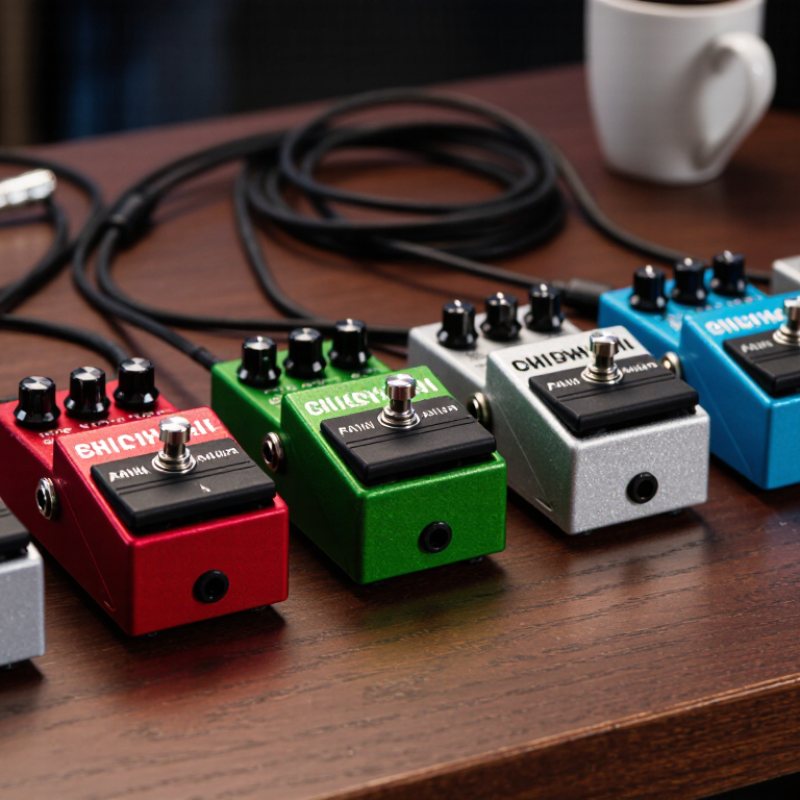
7 Best Bass Distortion Pedals for 2026

The Role of Distortion in a Bass Signal Chain

Bass distortion reshapes a bass signal by adding upper harmonics and compressing its peaks. That matters live. Those extra harmonics can help notes cut through guitars, while too much saturation may blur their attack. The low end is easy to lose, especially when the distorted sound is not blended with a clean signal.

Placement changes the result. Before distortion, a compressor can even out sharp plucks and feed the effect more consistently. After distortion, compression may smooth the combined sound, but it can also make noise more obvious. A clean blend keeps the fundamental notes steady beneath the grit. There is no single correct order; pickup output, playing touch, and the pedal’s design all affect the response.

Try a simple check at rehearsal: play a low open note, then a busy bass line, and compare both at the same volume. Listen for a firm low end and clear note starts, not just extra loudness. A small amount of drive may work better in a dense mix than it does alone. I sometimes find that a setting sounds exciting in headphones but harsh beside a drummer. That mismatch is useful feedback, not a failed setup. Adjust one control at a time, and leave room for the band.

How the 2026 Pedal Picks Were Evaluated

The 2026 picks were evaluated through repeatable listening tests, not control-panel features alone. Each pedal was placed in the same bass signal chain and compared at matched volume. We checked clean blend, low-frequency weight, note definition, and background hiss. A distorted tone may sound huge alone, then disappear beside a kick drum. That matters. We listened through headphones and a full-range speaker, since sharp upper harmonics can feel different in a room. Settings were noted, then adjusted slowly so small control changes remained audible.

Playability mattered as much as raw gain. Test passages included sustained low notes, muted rhythms, and quick runs across the strings. We listened for whether the attack stayed clear and whether the low end tightened or thinned as distortion increased. Controls had to make practical changes without forcing a player to rebuild the whole sound. A useful distinction. We also considered enclosure stability, footswitch response, and ease of setting levels during rehearsal. These checks are not laboratory measurements, and pickup output can alter the result. Some judgments remain subjective. I would retest finalists with more basses and playing styles before treating any ranking as universal.

Seven Standout Bass Distortion Pedals for 2026

Seven Standout Bass Distortion Pedals for 2026

Choosing a bass distortion pedal means balancing grit with the low notes that keep a band grounded. Standout options include transparent overdrive, heavy clipping, fuzz with a clean blend, and multiband distortion. Other useful designs offer adjustable midrange, noise control, or flexible gain stages. Low end matters. A pedal can sound enormous alone, then disappear beside loud guitars. No single setting works everywhere.

The wider instrument market shows ongoing demand, though it cannot predict which pedal will suit a player. Fortune Business Insights valued the global musical-instrument market at USD 17.11 billion in 2023. That broader figure offers context, not proof of bass-pedal sales. For a dependable comparison, test pedals at rehearsal volume, use the same bass and amplifier, and listen for note definition between low E and the upper register. Small differences in pickup output can change the result.

Tips: Start with gain low and blend in distortion gradually. Check open notes, muted passages, and the lowest string. If the sound loses weight, reduce the clipping or raise the clean blend. A ranking can help, but your rig may disagree.

Comparing Tone, Controls, Connectivity, and Playing Feel

A bass distortion pedal should add grit without making the low notes disappear. Compare each option with the same bass, amplifier, and riff. Listen for a firm low end, clear note edges, and useful sustain. Some circuits sound huge alone but become muddy beside a drummer. That can be easy to miss at home.

Controls shape how quickly a pedal fits your playing. A blend knob can preserve clean bass under the distorted signal, while a tone control helps tame harsh highs. Gain range matters, too: a little breakup suits a driven groove, while heavier saturation can blur fast passages. Keep settings modest at first. Tiny adjustments often reveal more than turning every knob.

Connectivity affects real-world use. Check whether the pedal offers a clean output, a dedicated blend path, or flexible power options. These details matter on a crowded board or during a quick stage change. Playing feel is harder to measure, but it matters just as much. Some pedals respond sharply to a pick attack; others compress each note into a smoother, steadier sound. Try both fingerstyle and picked lines. I still find that a pedal can impress in a shop, then feel oddly stiff at rehearsal. Test it at performance volume before deciding.

Choosing a Distortion Pedal for Your Bass Rig

Choosing a distortion pedal for your bass rig starts with the sound you need to preserve. A bass can sound fierce alone, then vanish when guitars enter. Test pedals at rehearsal volume, not only through headphones. Keep the clean blend audible; it carries the low notes while the distorted signal adds grit and definition. Trust your ears. A tight, focused drive may suit fast lines, while fuzzier clipping can add thickness to sparse arrangements. Neither is automatically better.

Check the pedal’s controls, input headroom, and power requirements against your setup. If your bass has hot pickups, listen for harshness or unwanted compression when you dig in. NAMM’s 2024 Global Report estimated U.S. music-products sales at $17.1 billion in 2023, across a broad category; it does not break out distortion pedals or tell players what to buy. That distinction matters. Try settings with your own bass, cable, and amplifier, and compare them at matched volume. I still find it easy to mistake “louder” for “better.” Record a short riff, listen back, and leave room for the band mix.

FAQS

What does distortion do to a bass signal?

It adds upper harmonics and compresses peaks. Notes may cut through guitars, but too much drive can blur their attack.

Why can distortion make bass sound thinner?

The fundamental low notes may get lost. Blending in a clean signal can keep them steady beneath the grit.

Should a compressor go before or after distortion?

Before distortion, it can even out sharp plucks. After distortion, it may smooth the sound, but background noise can become more obvious.

How can I check a distortion setting at rehearsal?

Play a low open note, then a busy line at the same volume. Listen for solid lows and clear note starts.

Why does a setting sound different in a band mix?

Guitars and drums can mask parts of the tone. A sound that feels exciting in headphones may seem harsh beside a drummer.

How were the pedal sounds compared?

They were tested in the same signal chain at matched volume. Listening included headphones and a full-range speaker.

What playing passages help reveal a pedal’s response?

Try sustained low notes, muted rhythms, and quick runs. These show whether the attack stays clear as gain increases.

Are pedal rankings universal?

No. Pickup output and playing touch can change the result. I would retest with more basses before treating any ranking as final.

Conclusion

Distortion can add grit, sustain, and definition to a bass signal, helping the instrument stand out without losing its essential low end. This guide explains how a Bass Distortion Pedal fits into a signal chain and outlines the criteria used to assess pedals for 2026, including tonal range, control layout, connectivity, responsiveness, and how each option feels during different playing styles.

The seven featured pedals represent a range of approaches, from subtle warmth to more pronounced saturation. Comparing their sound, features, and practical setup needs can help players find an option that works with their bass, amplifier, and musical goals. Whether you want a touch of edge or a more assertive voice, the right choice should complement your rig and remain clear and usable in the mix.

Alexander

Alexander

Alexander is a professional marketing specialist dedicated to helping businesses understand, evaluate, and benefit from practical product solutions. With a strong knowledge of the company’s offerings, market trends, customer needs, and industry developments, he creates clear, informative, and......