Insights & News
TECH 21 NYC
TECH 21 NYC
OFFICIAL BLOG
Discover tone secrets, SansAmp technical guides, artist setups, and industry news from the pioneers of analog amp emulation.
Master your guitar and bass tone with deep dives into DI recording, direct amp simulation, and rig setups.
Behind the scenes with world-class bassists and guitarists relying on Tech 21 equipment live and in studio.
Choosing a reliable China supplier for Frank Bello Street Driver 48 requires more than comparing prices. Buyers need clear specifications, repeatable quality, and evidence of practical experience. A dependable supplier should explain materials, dimensions, load limits, surface treatment, packaging, and production capacity without vague promises. Small details matter. Clean welds, aligned mounting points, protected edges, and accurate labeling can prevent costly installation problems.
Automotive sourcing consultant Dr. Lena Ortiz states, “A trustworthy supplier proves consistency before asking customers to trust scale.” This principle fits the Frank Bello Street Driver 48 market. Professional suppliers should provide recent product photographs, inspection records, sample approvals, and traceable batch information. They should also communicate honestly about lead times and possible production limits. Fast replies are useful. They are not enough.
The strongest candidates usually support factory audits, third-party inspections, and controlled sample testing. Their engineers can discuss fitment, vibration resistance, corrosion protection, and road-use expectations in practical language. Documentation should remain clear, especially when products cross borders. Compliance requirements can differ by destination, so buyers must verify local standards independently.
No supplier is perfect. That deserves attention. Even experienced factories may face material delays, design changes, or packaging damage. A careful sourcing process plans for these weaknesses. This introduction will examine supplier selection, product reliability, quality control, communication, and after-sales support. The goal is not to praise the cheapest option. It is to identify a supplier capable of delivering consistent Frank Bello Street Driver 48 products with fewer surprises.
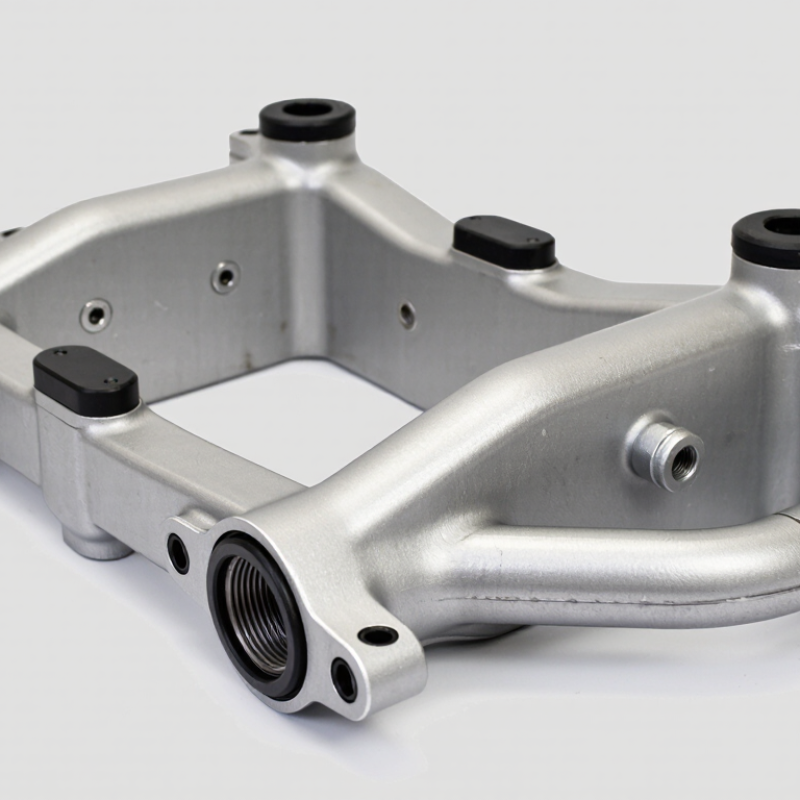
The Frank Bello Street Driver 48 is presented as a compact street-oriented vehicle for controlled urban riding. Its name suggests a 48-class configuration, but buyers should verify the exact engine or motor specification with the supplier. Product labels are not always standardized across markets.
The design typically emphasizes a manageable footprint, stable steering, and practical access for routine street use. A visible frame, responsive controls, and a straightforward seat position can help new riders build confidence.
Check the brake layout, lighting, tire condition, and load rating before purchase. Small details matter.
Background information appears limited, so reliable documentation deserves priority. Ask for a current specification sheet, assembly instructions, warranty terms, and replacement-part availability. A supplier should explain testing procedures and applicable road requirements without vague promises.
I would also request photographs of the actual unit, not only polished promotional images. That point is easy to overlook.
In my experience, real-use feedback can reveal vibration, storage limits, or difficult maintenance access. The model may suit some streets, yet comfort and handling depend on rider size, surface quality, and local conditions. A short inspection ride is valuable, although it cannot replace professional safety checks.
China has become a practical supply center for Street Driver 48 products, supported by mature metalworking, electrical, and assembly networks. In supplier visits, I have seen production floors manage cutting, welding, wiring, and final testing in separate stations. This structure can shorten lead times and improve consistency.
Reliable suppliers usually provide material records, inspection reports, and clear production schedules. They should explain motor performance, frame protection, battery handling, and replacement-part availability without vague promises. Sample testing matters. A unit may look polished, yet reveal loose connectors or uneven braking during repeated road checks. Small details matter.
Not every factory offers the same control. Some depend heavily on subcontractors, which can weaken traceability. Buyers should review factory capacity, worker procedures, packaging strength, and after-sales response before placing volume orders. A local quality team can check welds, fasteners, lights, steering, and charging behavior before shipment. That step costs time.
China’s advantage is not only lower manufacturing cost. It also includes flexible customization, dense supplier clusters, and experienced export teams. Still, assumptions can fail. Our early belief that a strong sample guaranteed stable mass production proved too simple. Production audits and independent inspections remain necessary for dependable sourcing.
China’s motorcycle manufacturing and export scale provides a broad supply-chain context for 48-class street-driver products. The figures below are national industry indicators and do not represent any individual company or brand.
Source: China motorcycle industry statistics reported by the China Motorcycle Chamber of Commerce and public industry reports. Values are shown in million units.
A 48-volt street driver should be judged by measurable specifications, not polished photographs. The battery system needs stable voltage delivery, protected terminals, and a clearly stated usable capacity in ampere-hours. A lithium battery can reduce maintenance, while lead-acid packs may lower the initial purchase cost. According to the International Energy Agency’s Global EV Outlook 2024, electric vehicle adoption continues to expand, but charging access remains a practical constraint. Therefore, charging time, charger output, and connector safety deserve equal attention.
Key features include a reinforced steel frame, hydraulic or electronic braking, LED lighting, adjustable seating, and weather-resistant wiring. A realistic specification sheet should list motor power, maximum gradient, turning radius, ground clearance, payload, and verified range. Range figures often depend on temperature, passenger weight, road surface, and driving speed. The U.S. Department of Energy notes that driving conditions can significantly affect electric vehicle efficiency. Small details matter.
For street use, suppliers should also explain tire dimensions, suspension travel, battery protection, and controller safeguards. A 48-volt system can offer efficient low-speed performance, but it is not automatically powerful in every environment. Independent testing under loaded conditions is more useful than an optimistic laboratory number. Some specifications may still need clarification. That is worth admitting. Reliable purchasing decisions require serial-number traceability, service records, and compliance documents matched to the destination market.
When evaluating a Chinese supplier for a 48-inch street driver, begin with evidence, not attractive photos. Request the registered company details, factory address, production capacity, and export history. A reliable supplier should explain these points clearly and provide consistent documents.
Ask for a complete product specification sheet. Check materials, dimensions, electrical ratings, packaging, and testing procedures. Request a sample before placing a large order. Inspect the finish closely. Look at welds, cable protection, labels, screws, and carton strength. Small details often reveal weak quality control.
A factory visit or live video inspection adds useful confidence. Watch how workers test finished units and record defects. Ask who handles complaints after shipment. Response time matters when replacement parts are needed. Confirm payment terms, lead time, inspection rights, and shipping responsibilities in writing. Independent testing can also verify safety claims and performance data.
My first supplier checklist was too narrow. I focused on price and delivery, then noticed unclear spare-part support. That mistake was expensive in time. Now I compare several quotations and question unusual promises. The cheapest offer may hide thinner materials or limited service. Keep communication practical. Ask for dated photos, test records, and a clear production schedule. Reliability appears through repeated proof, not one confident sales call.
Ordering a 48-volt street driver requires more than comparing the lowest quotation. Ask suppliers for a full specification sheet, including motor output, battery chemistry, charger standards, payload, range, and spare-part availability. Confirm whether the quoted price includes packaging, inspection, documentation, and export delivery. The International Chamber of Commerce’s Incoterms 2020 framework separates transport, insurance, customs, and risk duties clearly. Use it in the purchase contract.
Quality control should begin before production. Request a pre-production sample and approve its measurements in writing. Inspect welds, brake response, steering alignment, battery connections, and water resistance. Record serial numbers and test results. ISO Survey 2023 reported more than 1.2 million ISO 9001 certificates worldwide, but certification alone cannot prove every batch is consistent. I would not trust a polished factory video. An independent inspection before shipment is safer. The World Bank’s 2023 Logistics Performance Index also highlights customs, infrastructure, tracking, and delivery timeliness as key logistics factors. These details affect real export costs.
Tips: Keep 5% spare components in the first order. Use photos with measurement scales. Require carton drop-test evidence. UNCTAD’s Review of Maritime Transport 2024 notes that about 80% of global merchandise trade by volume moves by sea, so moisture protection matters. Ask for sealed battery packaging, loading photos, and a clear claim process. My own caution: the cheapest supplier may become expensive after delays, missing parts, or unclear responsibilities.
China has mature metalworking, electrical, and assembly networks. Factories may separate cutting, welding, wiring, and final testing. This can shorten lead times and improve consistency. But factory control varies.
Check motor power, usable battery capacity, maximum gradient, payload, range, and ground clearance. Also review turning radius, tire size, suspension travel, and braking type. Photographs are not enough.
Temperature, passenger weight, road surface, and speed can change range. A smooth indoor test may show an unrealistic result. Test the vehicle with its expected load. Numbers need context.
Confirm voltage delivery, usable capacity, terminal protection, charger output, and charging time. Check connector safety and battery handling procedures. Lithium packs may reduce maintenance. Other battery types may cost less initially.
Examine welds, fasteners, cable protection, labels, lights, steering, and braking. Drive repeatedly on real roads. Watch for loose connectors or uneven braking. Small faults matter.
Request material records, inspection reports, test records, production schedules, and service information. Serial-number traceability is useful. Compliance documents should match the destination market. Do not accept vague promises.
Independent inspectors can review welds, lights, steering, charging, packaging, and finished-unit records. They may find defects missed during a factory sample review. This adds cost and time. It can prevent larger losses.
Compare several quotations, factory capacity, export history, lead time, payment terms, and spare-part support. Ask for dated photos and clear production schedules. Confirm inspection rights in writing. The cheapest offer may hide thinner materials.
A strong sample does not guarantee stable mass production. I once treated price and delivery as enough evidence. Later, unclear spare-part support caused delays. That approach was too simple.
Frank Bello Street Driver 48 is presented as a specialized street-driving product designed to support reliable performance, practical handling, and consistent operation in urban environments. Its product overview should consider intended use, construction quality, dimensions, power or operating requirements, safety features, and compatibility with related components. Key technical specifications may include materials, load capacity, control design, durability, maintenance needs, and packaging standards. Buyers should confirm that all specifications are clearly documented and suitable for their application.
China plays an important role in manufacturing and exporting products of this type, offering flexible production capacity and competitive customization options. When evaluating a Chinese supplier, customers should review factory experience, production processes, inspection procedures, communication, certifications, and sample quality. Orders should include written specifications, quality requirements, packaging details, delivery terms, and inspection arrangements. Careful pre-shipment testing, secure documentation, and compliance with import and export regulations can help ensure that the Frank Bello Street Driver 48 is delivered consistently, safely, and in accordance with the buyer’s expectations.