Tech 21 NYC Blog — Guitar & Bass Preamp Insights
Insights & News

TECH 21 NYC
OFFICIAL BLOG

Discover tone secrets, SansAmp technical guides, artist setups, and industry news from the pioneers of analog amp emulation.

Tone and Tech Guides by Tech 21 NYC
Analog Innovation

PRO TONE
SHAPING & TECH

Master your guitar and bass tone with deep dives into DI recording, direct amp simulation, and rig setups.

Signature Artist Stories and Demos
Artist Spotlights

SIGNATURE
ARTIST STORIES

Behind the scenes with world-class bassists and guitarists relying on Tech 21 equipment live and in studio.

0%

Choosing a Steve Harris Signature Preamp in 2026 requires more than chasing Iron Maiden’s famous bass tone. It means matching equipment with your instrument, amplifier, playing strength, and stage requirements. A preamp should add character without hiding your natural attack.

Market reports provide useful context, but they require careful interpretation. Grand View Research’s musical-instrument analysis identifies continued growth in electric instruments and related equipment through 2030. Fender’s 2024 Global Guitar Study also highlights players’ demand for flexible, confidence-building gear. Neither report isolates the Steve Harris Signature Preamp category. That limitation matters. Niche products need closer technical evaluation.

Steve Harris remains the most relevant authority for this sound. His long-term work with Iron Maiden demonstrates how consistency, clarity, and physical attack survive large venues. In an Ashdown artist statement, Harris describes his preference as “a very aggressive, powerful sound.” That phrase offers a practical starting point. Look for strong midrange definition, controlled low frequencies, and responsive drive.

Listen carefully.

A preamp that sounds impressive alone may become harsh beside drums and guitars. A dark-sounding unit may feel powerful at home, then disappear during rehearsal. Check its input sensitivity, equalization range, bypass behavior, output level, and compatibility with active basses. Compare recordings at matched volume. Small differences become obvious through a loud cabinet.

This guide examines those choices without treating one signature model as universally superior. Player technique, room acoustics, and amplifier headroom can change the result. Even experienced musicians sometimes mistake volume for tone. That is an easy error to repeat.
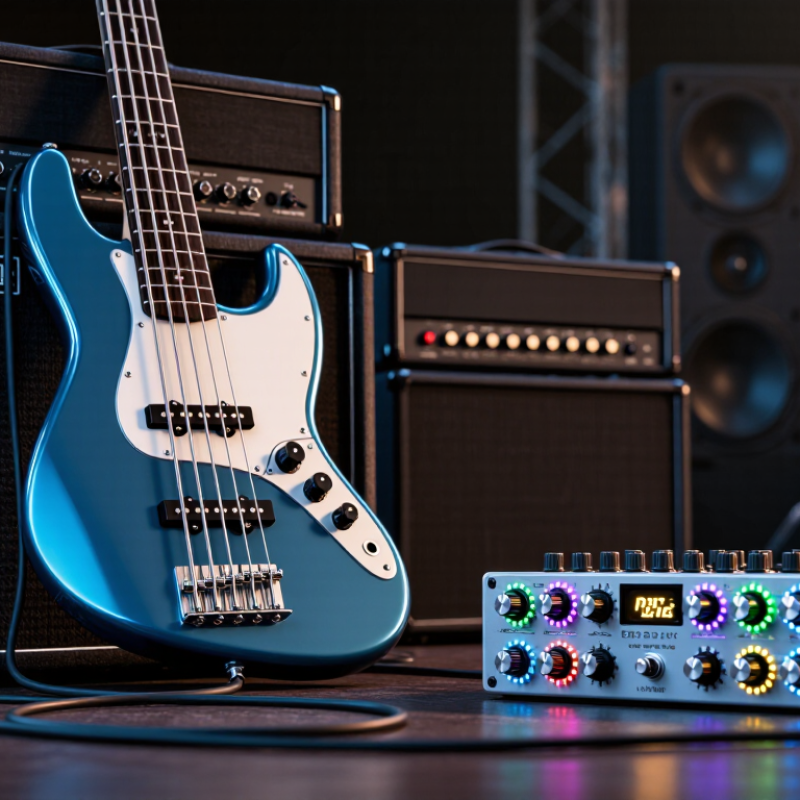
How to Choose a Steve Harris Signature Preamp in 2026?

Define Your Sound and Performance Requirements

Choosing a Steve Harris signature preamp in 2026 begins with defining your real sound requirements. Do you need sharp upper-mid attack, firm low-end control, or a warmer response for melodic lines? Your bass, strings, cabinet, and playing strength will influence the result. A preamp cannot repair every weakness in the signal chain.

Think about performance conditions, not only bedroom tone. Rehearsal rooms often exaggerate low frequencies, while crowded stages can hide detail. If you play fast eighth notes, choose a unit with clear transient response and dependable headroom. If your set includes quieter passages, check how smoothly the gain control reacts. Small adjustments should feel predictable.

Test before deciding. Bring your own instrument, cable, and familiar settings. Compare the preamp at low, medium, and stage-like volume. Listen for noise between notes, compression under heavy attack, and unwanted brightness. My first preference was an extremely aggressive setting, but it became tiring after twenty minutes. That experience changed my priorities.

A useful setup may need less gain than expected. Leave space for your amplifier and hands. Record a short passage from several distances, then review it the next day. Memory can be unreliable. I still question whether maximum attack always improves a performance, especially in rooms with reflective walls. Define the tone you can control, not merely the tone that sounds exciting for one minute.

Compare Steve Harris Signature Preamp Models and Configurations

How to Choose a Steve Harris Signature Preamp in 2026?

Choosing a Steve Harris signature preamp starts with comparing configurations, not appearance. Some versions prioritize a strong low-mid push, while others offer cleaner headroom and broader equalization.

A practical test is simple: play an open E string at rehearsal volume, then check whether the note stays firm without harsh compression. The 2024 Music Trades market report indicates continued demand for bass equipment with flexible direct-output features. That matters for players recording silently or using modern digital desks.

Compare the available models by gain structure, equalizer range, output options, and cabinet compatibility. A valve-style circuit may add warm grit, but it can become loose with heavily driven speakers. A solid-state configuration usually gives faster attack and more consistent volume.

Look for a balanced output, ground-lift control, and an input impedance suitable for passive bass pickups.

Futuresource Consulting reported strong growth in home music production through 2024, making quiet direct recording more relevant than before.

I would also compare footswitch functions carefully. A boost, mute, or selectable drive stage can change a live setup significantly. Do not assume the most expensive configuration sounds best. Room acoustics, string gauge, and playing force often matter more.

My own preference would be a unit with moderate drive and clear switching, though that choice may be too cautious for aggressive players. Product specifications can also contain confusing language, so testing two settings through the same cabinet remains essential.

Evaluate Tone Controls, Gain Structure, and Built-In Features

Choosing a Steve Harris signature preamp in 2026 requires more than chasing a familiar bass tone.

Start with the tone controls. A useful unit should offer precise bass, low-mid, high-mid, and treble adjustment. Low-mid control shapes punch around crowded guitar frequencies. High-mid control adds pick definition without making the sound painfully sharp. Test each knob at moderate volume. Bedroom settings can be misleading.

Gain structure matters just as much. Look for separate input gain, drive, and output volume controls. This arrangement lets you add harmonic grit while preserving a stable signal level.

With passive pickups, extra input gain may improve authority. Active pickups can overload the first stage quickly. Listen for unwanted fizz, compressed attacks, or notes that lose their body.

Those signs suggest poor headroom.

Built-in features should solve real problems.

A balanced output helps during recording and live performance. A cabinet simulation can make direct tones less brittle. An effects loop, mute switch, or footswitchable boost may improve practical control.

However, more features do not guarantee better results. I once preferred a simpler circuit after discovering that excessive EQ made my playing feel disconnected. That experience still makes me question impressive specifications.

Bring your own bass, use familiar strings, and compare settings at equal volume. Take notes. Your first preference may change after a week of playing.

Check Compatibility with Your Bass, Amp, and Signal Chain

Choosing a Steve Harris signature preamp in 2026 starts with your entire signal chain, not the preamp alone. Check whether your bass uses active or passive electronics. Active instruments may deliver a hotter signal and can overload the preamp input. Passive pickups often benefit from added gain, but excessive boost can increase noise.

Measure your bass output at normal playing strength. Then compare it with the preamp’s input headroom and impedance. A practical test is simple: play hard on the lowest string and listen for harsh clipping. Clean headroom matters more than impressive volume. Check the required power supply, connector type, and current rating before mounting anything. Small mismatches can cause intermittent operation.

Your amplifier also needs attention. A preamp with strong low-frequency boost may sound powerful through headphones but become loose through a full cabinet. Keep the bass control moderate, especially with extended-range instruments. Test the unit before your tuner, distortion section, or effects loop, because placement changes response and noise. I usually begin with every control flat, then raise one band at a time. That method feels slow. It also exposes problems clearly. In one setup, I blamed the preamp for hum, but a poorly shielded cable was responsible. Leave room for that possibility. A short rehearsal at stage volume reveals more than an hour of quiet home testing.

Select the Best Preamp for Your 2026 Playing Needs

Choosing a Steve Harris signature preamp in 2026 should begin with your playing needs, not its appearance. Decide whether you need aggressive attack, stronger low mids, or a cleaner signal for recording. A pick player may prefer fast response and controlled brightness. A fingerstyle player might value smoother compression and deeper headroom. Start there.

Test the preamp with your own bass, cable, and amplifier. Listen at rehearsal volume, not only through headphones. Check how the low E feels near the fifth fret. Notice whether the upper mids stay clear during fast eighth notes. Examine the noise floor with the volume fully open. Useful controls should work quickly under stage lights. Simple wins.

Your recording setup also matters. Confirm the output level matches your interface or mixer without unwanted clipping. If you use long cables, check for dull treble and added hum. A practical setting might use moderate gain, restrained bass, and a small upper-mid boost. Then change one control at a time. My earlier mistake was adding too much drive before checking the room. It sounded powerful alone, but crowded the mix. There is no perfect setting. Your hands, strings, tuning, and speakers will expose different weaknesses. Leave space for those differences when choosing a preamp.

FAQS

How should I define my preamp requirements?

Decide whether you need sharper attack, firmer lows, or warmer melodic response. Your bass, strings, cabinet, and playing strength matter. A preamp cannot fix every weakness.

Should I test the preamp outside my bedroom?

Yes. Rehearsal rooms can exaggerate bass, while busy stages may hide detail. Compare low, medium, and stage-like volumes. Bedroom tone can mislead.

What should fast bass players look for?

Choose clear transient response and dependable headroom. Fast eighth notes should remain separate and controlled. Listen for compressed attacks during harder playing.

How can I test noise and unwanted brightness?

Bring your own bass, cable, and familiar settings. Play short passages and pause between notes. Check background noise, harsh treble, and fading note body.

How much gain is usually necessary?

Often less than expected. Leave room for your amplifier and hands. Excessive gain may create fizz, compression, or tiring brightness. I still sometimes overestimate it.

Which tone controls deserve close attention?

Check bass, low-mid, high-mid, and treble controls separately. Low-mid shapes punch near guitars. High-mid adds definition, but excessive settings can feel painfully sharp.

Do pickup types change the gain setting?

Yes. Passive pickups may benefit from additional input gain. Active pickups can overload the first stage quickly. Reduce gain when attacks lose their natural body.

Which built-in features are genuinely useful?

Balanced output helps recording and live connections. Cabinet simulation can soften brittle direct tones. An effects loop, mute switch, or footswitchable boost may improve control.

How should I compare different settings fairly?

Match their volume and record a short passage from several distances. Review the recording the next day. Memory is unreliable. Your favorite setting may change after a week.

Conclusion

Choosing the right Steve Harris Signature Preamp in 2026 begins with defining your playing goals, preferred tone, and performance environment. Consider whether you need a powerful stage sound, a controlled studio signal, or a flexible setup that can handle both. Compare available models and configurations by examining their layout, connectivity, size, and control options. A preamp should support your musical style without making your setup unnecessarily complicated.

Pay close attention to tone controls, gain structure, output level, and built-in features such as equalization, signal shaping, or switching options. Compatibility is equally important: check how the preamp works with your bass, amplifier, pedals, cables, and overall signal chain. The best Steve Harris Signature Preamp will provide responsive control, reliable performance, and a sound that complements your technique. By matching its features to your equipment and practical playing needs, you can choose a setup that remains useful, expressive, and adaptable throughout 2026.

Olivia

Olivia

Olivia is a professional marketing specialist dedicated to helping businesses understand market trends, communicate their value, and build lasting relationships with customers. With extensive knowledge of the company’s products, services, and industry applications, she combines strategic insight......