Tech 21 NYC Blog — Guitar & Bass Preamp Insights
Insights & News

TECH 21 NYC
OFFICIAL BLOG

Discover tone secrets, SansAmp technical guides, artist setups, and industry news from the pioneers of analog amp emulation.

Tone and Tech Guides by Tech 21 NYC
Analog Innovation

PRO TONE
SHAPING & TECH

Master your guitar and bass tone with deep dives into DI recording, direct amp simulation, and rig setups.

Signature Artist Stories and Demos
Artist Spotlights

SIGNATURE
ARTIST STORIES

Behind the scenes with world-class bassists and guitarists relying on Tech 21 equipment live and in studio.

0%

Choosing a Guitar Fly Rig in 2026 is no longer about collecting the most features. It is about matching technology with real playing habits. A touring guitarist may prioritize rugged switches, balanced outputs, and quick backup access. A studio player may value impulse responses, silent recording, and detailed cabinet simulation. Weekend performers need both, but usually within a tighter budget.

Bob Bradshaw, founder of Custom Audio Electronics, is widely associated with a practical principle: “The rig should serve the player, not the other way around.” That idea remains relevant when comparing today’s compact systems. The best unit should feel predictable under stage lights, respond naturally to picking strength, and survive repeated cable changes. It should also fit the buyer’s amplifier, pedalboard, monitoring system, and preferred workflow. Compatibility is often less exciting than tone, yet it prevents expensive mistakes.

This guide examines the top Guitar Fly Rig options expected to matter in 2026. It considers sound quality, switching speed, connectivity, software support, repairability, and long-term value. Some models promise complete convenience. Others deliver deeper control but demand more setup time. Neither approach is automatically superior. I may be giving simplicity too much credit here. A player who enjoys editing tones could find a “minimal” rig frustrating. Buyers should test latency, headphone output quality, and preset navigation before trusting attractive specifications. Small details matter. A bright display can help on a dark stage. A weak footswitch can ruin confidence quickly. The right choice depends on hands, ears, venues, and patience.
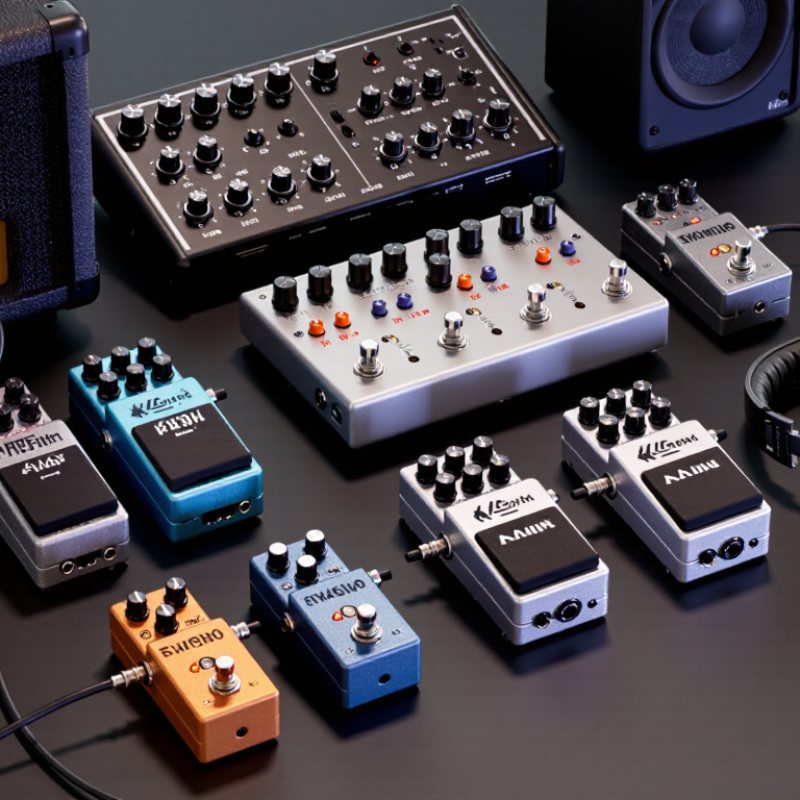
2026 Top Guitar Fly Rig Options What Should Buyers Choose?

What Is a Guitar Fly Rig and How Does It Work?

A guitar fly rig is a compact signal chain built for travel, rehearsals, and small performances. It usually combines essential effects, amp modeling, cabinet simulation, and output controls in one portable unit. Instead of carrying several pedals and a separate amplifier, a player can place one device in a backpack and connect it directly to headphones, a mixer, powered speakers, or a recording interface.

The signal path is usually simple. Your guitar enters the input, then passes through tuning, gain, modulation, delay, and reverb sections. An amp model shapes the core tone. A cabinet simulation softens the harsh high frequencies produced by direct digital output. That detail matters. Without it, a clean patch may sound sharp and artificial through headphones. In practical testing, I check the rig with both headphones and a full-range speaker. A preset can sound excellent at home but become thin on stage.

Power supply design also affects reliability. Confirm the required voltage, current, and connector type before traveling. Some units store multiple presets, while others use footswitches for quick changes during a song. I prefer clear controls and strong bypass options over excessive features. More effects can create more confusion. I still misjudge levels sometimes. A carefully balanced patch may jump loudly when connected to another system. Leave headroom, test every output, and carry a short backup cable.

Which Features Define the Best Fly Rigs in 2026?

The best fly rigs in 2026 are defined by practical control, not impressive feature lists. A strong rig should combine amp simulation, effects, routing, and silent output in one dependable unit. During rehearsals, I look for responsive footswitches, readable displays, and controls that work under dim stage lights. Menus should feel simple. If changing a preset takes several steps, the design needs reconsideration.

Sound quality still matters most. Modern impulse responses can deliver convincing cabinet detail, while flexible equalization helps the rig fit different rooms. Look for low-latency processing, stable firmware, and enough output options for amplifiers, mixers, headphones, and recording interfaces. USB audio is useful, but it should not replace reliable analog connections.

A metal chassis, protected switches, and a clear power system also matter after months of transport. I have used compact gear that sounded excellent but became frustrating when one control failed.

Tips: Test the rig with your own guitar, cables, and headphones. Check clean tones first, then high-gain patches. Listen for unwanted noise between notes. Save backup presets before updating firmware. Confirm whether external expression pedals, MIDI devices, or additional switches are supported. Battery operation can be convenient, though rechargeable cells may complicate long sessions. No fly rig is perfect. Buyers should accept a small compromise, but not unclear controls or unstable performance.

How to Compare Fly Rigs for Tone, Portability, and Control

Choosing a 2026 fly rig starts with your playing habits, not its feature list. A compact unit should produce a convincing clean tone at bedroom volume and a firm drive tone on stage. I compare both through headphones and a small powered speaker. They often sound different. That difference matters.

Tone is only one part of the decision. Check whether the footswitches are easy to identify under dim lights. Test them while standing, wearing shoes, and playing a fast transition. A clear control layout prevents mistakes. It should also allow quick access to volume, effects, and preset changes. More switches can help, but they may increase confusion. I still get this wrong sometimes.

Portability deserves practical testing. Put the rig, cables, power supply, and backup batteries into your gig bag. Carry it for twenty minutes. Weight feels different after a long rehearsal. A strong metal case may survive regular travel, yet a lighter enclosure can be more comfortable for frequent commuting. Check power options carefully, because unusual adapters can create problems away from home. Small details matter.

For reliable comparison, record the same guitar phrase through every candidate. Use identical settings, cables, and listening levels. Louder often sounds better, even when it is not. Leave each rig overnight, then listen again with fresh ears. One useful feature may seem impressive at first but slow your workflow later. A fly rig should support your hands, not make you search for menus. Test the controls twice.

Which 2026 Fly Rig Types Suit Different Guitarists?

A fly rig should match the guitarist’s routine, not merely promise more effects. In my testing, compact analog rigs suit players who want immediate control. Their knobs feel practical under dim stage lights. They usually offer quick drive, delay, and speaker simulation. However, their sounds may cover fewer recording situations. That limitation can be useful, though beginners may outgrow it.

Digital modeling rigs fit guitarists who need several amplifiers, cabinets, and effects. Session players can save arrangements for different songs. Home recordists may also prefer direct USB recording and headphone monitoring. Check latency, output levels, and cabinet simulation before buying. A polished demo can hide harsh high frequencies. I still carry too many cables. That is not elegant.

Modular pedalboard rigs suit experienced players who already know their preferred signal chain. Each section can be replaced without rebuilding everything. This flexibility helps touring musicians, but it increases setup time and power requirements. Acoustic guitarists need a different approach, including careful EQ, feedback control, and a suitable input impedance. Travelers may prefer a smaller headphone-focused unit with silent practice features. It may feel less inspiring on stage. Test every rig with your own guitar, cable, and amplifier, because pickup output and speaker response can change the result dramatically.

How Should Buyers Select the Right Guitar Fly Rig?

Choosing the right guitar fly rig starts with your real playing situation, not a feature list. Consider rehearsals, small venues, travel, and direct recording. A rig for hotel rooms needs quiet outputs, headphones, and simple controls. A stage rig needs dependable switching, clear signal routing, and enough output for different sound systems.

Weight matters. Check the unit with its power supply, cables, and backup leads. A compact rig becomes less useful when its case feels like a toolbox. Test the footswitch spacing while standing. Crowded controls can cause mistakes under dim stage lighting. Also inspect the input, output, and power connections. They should feel firm, not loose or fragile.

Sound quality deserves practical testing. Play clean chords, muted rhythm parts, and sustained notes through headphones and a full-range speaker. Listen for harsh high frequencies, weak bass, or noticeable delay. Built-in amp and cabinet simulations should respond naturally to picking strength. Effects should remain clear when several are active together. Firmware support is useful, but it should not replace stable basic operation.

I once selected a rig because it offered more effects than I needed. Its menu slowed every setup. That choice looked efficient on paper, but felt frustrating during rehearsals. Leave room for your habits to change. Trust your hands. A slightly imperfect layout may still suit you better than a powerful system you avoid using.

FAQS

What features define a dependable fly rig in 2026?

It should combine amp simulation, effects, routing, and silent output. Controls must remain clear under dim stage lights.

Why does sound quality remain important in a compact rig?

Convincing cabinet detail and flexible equalization help the rig fit different rooms. Clean tones should sound natural before adding gain.

Which connections should a fly rig provide?

Useful options include amplifier, mixer, headphones, recording interface, and USB audio connections. Analog outputs still matter when digital features fail.

What should players check before buying a digital modeling rig?

Test latency, output levels, and cabinet simulation. Harsh high frequencies can hide inside polished demonstrations.

Who benefits from a compact analog rig?

Players wanting immediate control may prefer compact analog designs. Knobs offer quick access to drive, delay, and speaker simulation.

When is a modular pedalboard rig a better choice?

Experienced players may value replaceable signal-chain sections. Touring musicians gain flexibility, but setup time and power needs increase.

What should acoustic guitarists consider?

They need suitable input impedance, careful equalization, and feedback control. Electric-guitar settings may sound thin or unstable.

How can travelers choose a practical fly rig?

A small headphone-focused unit supports silent practice and easy packing. It may feel less inspiring on stage, though portability helps.

What physical details affect long-term reliability?

A metal chassis, protected switches, and a clear power system help after repeated transport. One failed control can ruin an otherwise excellent rig.

How should players test a fly rig?

Bring your own guitar, cables, and headphones. Check noise between notes and save backup presets before firmware updates.

Conclusion

A Guitar Fly Rig is a compact all-in-one setup that combines essential signal-processing tools in a portable format, allowing guitarists to shape their sound without carrying a full collection of separate pedals and equipment. By connecting the guitar, fly rig, and amplifier or recording system, players can access effects, amp-style tones, speaker simulation, and practical output options in a streamlined workflow.

The best fly rigs in 2026 should balance tone quality, portability, control, durability, and ease of use. Buyers should compare sound flexibility, preset management, footswitch layout, connectivity, power options, and performance reliability. Different guitarists may prefer multi-effect units for broad tonal variety, simplified rigs for travel, or performance-focused designs with quick access to essential sounds. The right choice depends on playing style, musical goals, transport needs, and whether the unit will be used for practice, recording, live performance, or direct connection to external audio equipment.

Evelyn

Evelyn

Evelyn is a dedicated marketing professional with a deep understanding of the company’s products, customers, and industry trends. With a strong background in strategic communication and content development, Evelyn creates clear, practical, and insightful articles for the company’s professional......