Insights & News
TECH 21 NYC
TECH 21 NYC
OFFICIAL BLOG
Discover tone secrets, SansAmp technical guides, artist setups, and industry news from the pioneers of analog amp emulation.
Master your guitar and bass tone with deep dives into DI recording, direct amp simulation, and rig setups.
Behind the scenes with world-class bassists and guitarists relying on Tech 21 equipment live and in studio.
The Richie Kotzen Signature Fly Rig is a compact guitar effects and preamp unit built for players who want several stage-ready sounds in one floorboard. Developed with guitarist Richie Kotzen and Tech 21, it brings core rig functions together without requiring a crowded pedalboard. Depending on the version, its features include SansAmp amp-style processing, Kotzen’s OMG overdrive, boost, delay, reverb, and other practical effects. The exact controls and connections vary, so checking the model’s manual matters.
Richie Kotzen is the industry expert most closely associated with this design. The supplied material contains no verified interview quotation from him, so inventing a quote would be misleading. A cautious paraphrase of the design appeal is simple: familiar performance sounds, gathered in a portable format. That idea is easy to picture: one unit on the floor, a guitar cable at each end, and fewer separate pedals to set up before a show.
Still, compact does not mean effortless. Players should consider whether its gain character, effect options, and routing fit their own amplifier and playing style. It may streamline a setup, but it will not automatically recreate Kotzen’s tone. That depends on touch, guitar, amp, and careful adjustment. A useful guide should explain what the Fly Rig includes, how its sections work, and where its limits become apparent.
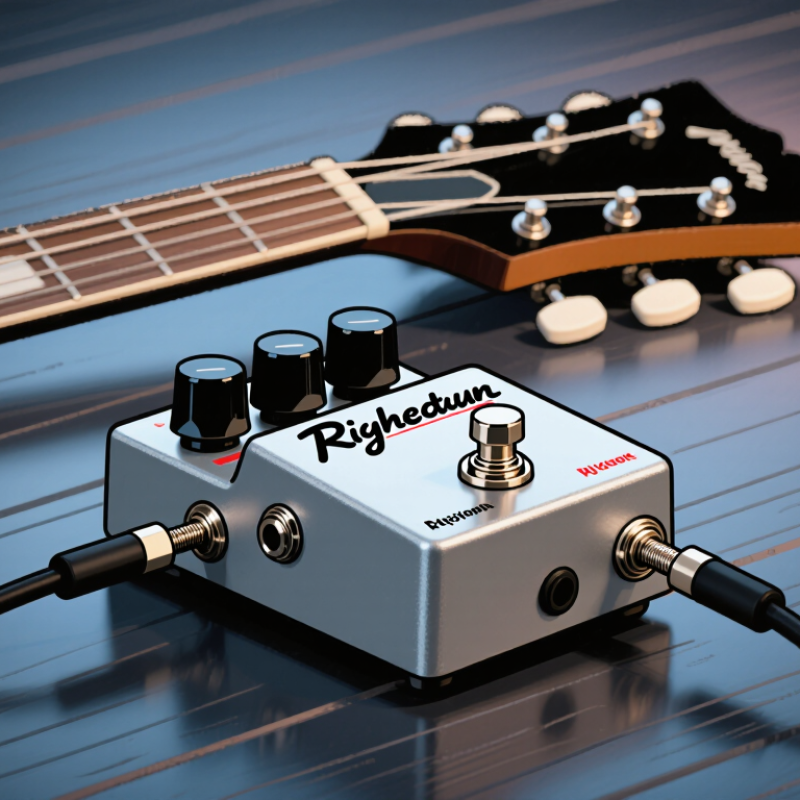
The Richie Kotzen Signature Fly Rig is a compact guitar-effects unit built to cover several essential sounds in one floorboard. Its main sections combine an amp-voiced preamp, a dedicated overdrive, a boost, delay, reverb, and a tuner. The layout suits players who want to move from a clear rhythm tone to a more saturated lead sound without assembling a large pedalboard. Small footprint. Fewer cables.
In practical use, the preamp section can shape a direct signal for recording or connect with an amplifier, while the boost adds extra level for lead passages. The overdrive gives riffs more bite; delay and reverb add space without requiring separate units. Controls are arranged for quick adjustments, though compact knobs can feel crowded under dim stage lighting. That matters. A little planning helps: set the core tone first, then adjust ambience at rehearsal volume. The unit offers useful flexibility, but it cannot replace every player’s preferred amplifier or effects. Some guitarists may also want more control over individual effect parameters. Its appeal is straightforward: a portable, performance-focused setup with familiar tones close at hand.
Richie Kotzen’s signature fly rig is built around a short, stage-ready signal path. The guitar signal passes through tuning and compression, then gain stages, followed by delay and reverb. A final amp-and-cabinet simulation sends the sound to a mixing console or amplifier. That order keeps time-based effects clear while letting distortion respond directly to picking strength. The compact layout also reduces loose patch cables: picture one small board, a guitar input at one end, and a direct output beside the power connection. Simple to carry.
The gain section offers distinct levels of color. Overdrive adds a softer edge; distortion supplies denser sustain; a boost raises level for a solo. Delay repeats sit after those stages, while reverb adds room around the finished tone. Exact settings still depend on the guitar, pickup output, and venue. A bright stage can make generous reverb feel cloudy. That part is easy to miss. NAMM’s 2023 Global Report estimated the U.S. music-products industry’s economic impact at $17.5 billion, illustrating the scale of the equipment ecosystem, not proving any particular circuit sounds better. For practical setup, check output level and noise with the full chain connected. One limitation remains: a fixed internal order offers less routing freedom than separate pedals.
A simplified view of the rig’s signal path, from instrument input through tone shaping and effects to the outputs.
The numbers indicate routing order, not signal level. The diagram presents the stages as a simplified chain; the final output can feed an amplifier or a direct connection.
The Richie Kotzen signature Fly Rig combines several effects in one compact floor unit. Its signal path offers SansAmp-style amp shaping, overdrive, boost, delay, and reverb. Separate controls let players adjust gain, tone, effect level, and delay repeats without navigating menus. The delay’s tap-tempo function helps match repeats to a song’s pulse. Small footprint. Real choices.
In practice, the overdrive can add grit before the amp-shaping section, while boost gives solos a level lift. Reverb adds space; delay can create a short slap or longer rhythmic echoes. The controls are direct, but small knobs can be awkward to adjust under dim stage lighting. A 2023 report from the National Association of Music Merchants estimated U.S. music-product sales at about $17 billion in 2022. That broad figure describes the wider equipment market, not demand for this particular unit. Compact rigs suit players who want fewer separate pedals and cables, though the fixed layout may limit experimentation. It is worth testing the gain and level settings at performance volume; a sound that feels balanced at home can become harsh through a loud amplifier.
The Richie Kotzen Signature Fly Rig is a compact setup built around the sounds players hear in his guitar work: clear attack, vocal midrange, and gain that responds to touch. Its overdrive and boost can move a guitar from a rounded clean tone to a gritty lead without burying the notes. Delay and reverb add space, but they need not blur the phrases. The amp-style output also makes the rig practical for direct connection when a full amplifier is unavailable.
That balance reflects an important part of Kotzen’s sound: the player’s hands remain audible. A light pick stroke can stay open, while a harder attack brings more edge. Short lead phrases often benefit from a little delay and restrained ambience; too much effect can soften the rhythmic detail. The rig is convenient, though convenience is not the same as a perfect match for every guitar or room. That part takes listening.
Tips: Start with low effect levels. Match the output to the next device, then adjust gain using your own guitar and picking dynamics. Small changes matter.
This signature Fly Rig is a compact guitar processor that combines core stage sounds in one floor unit. Its drive, boost, delay, and reverb sections reduce the need for several separate pedals. Connect a guitar to the input, then send the output to an amplifier or suitable recording input. Start with conservative output levels; a small unit can still overload a mixer input. Keep it simple.
For an amplifier, try a clean channel and adjust the rig’s output to match the amp’s input sensitivity. For direct recording or a mixing console, check whether the output provides speaker simulation before choosing a cabinet setting downstream. Confirm the required power supply’s voltage, polarity, and current rating, and test any adapter before a show.
The 2024 NAMM Global Report estimated that the U.S. music products industry contributed $17.5 billion to the economy in 2022. That broad figure signals a substantial gear market, but it does not measure this unit’s performance.
Its compact layout suits travel, rehearsals, and sets where quick changeovers matter. It can also serve as a backup tone path if a larger pedalboard becomes unreliable. Guitar pickups and amplifier input stages vary, so settings that sound full at home may become harsh onstage. I would check the sound at rehearsal volume. Fewer cables help, though fewer routing options can limit experimentation. That trade-off is real.
The signal passes through tuning and compression, gain stages, delay, reverb, then amp-and-cabinet simulation. Clear and simple.
Overdrive adds a softer edge, distortion creates denser sustain, and boost raises the level for solos.
Yes. Tap tempo helps align the repeats with the song’s pulse.
Delay can make a short slap or rhythmic echoes. Reverb adds a sense of room.
Its compact layout reduces separate pedals and loose patch cables. It is easier to carry.
The controls are direct, but small knobs can be tricky under dim stage lights. That detail matters.
Not necessarily. Pickup output, guitar tone, and room acoustics all affect the result.
Connect the full signal chain and check output level and noise. Test gain at performance volume, too.
Yes. The internal order offers less routing freedom than separate pedals. Some players may want more room to experiment.
The Richie Kotzen Signature Fly Rig is a compact, integrated setup designed to bring key guitar tones and effects together in a portable format. Its signal-chain layout guides the instrument’s sound through shaping and processing stages, helping players move from a clear, responsive foundation to richer, more layered tones. The arrangement is intended to make essential functions accessible without requiring a large collection of separate equipment.
Its effects and controls offer ways to adjust gain, dynamics, ambience, and tonal character, allowing players to shape sounds associated with Kotzen’s expressive playing style. Rather than limiting musicians to one preset, the rig supports a range of adjustments for different guitars, amplifiers, and musical settings. Its compact design can suit practice, rehearsal, recording, and live performance, where quick setup and consistent access to core tones are useful. Overall, it combines practical portability with flexible sound shaping for players seeking a streamlined guitar rig.